 Skip to content
Tyre Pressure Monitoring System (TPMS) Replacement
A tiny orange light on your dashboard can be surprisingly powerful. It doesn’t slow the car down, it doesn’t make a noise, and yet it has an uncanny ability to raise your blood pressure at precisely the wrong moment.
That light belongs to your Tyre Pressure Monitoring System — a piece of quiet automotive psychology designed to nudge you into action before a soft tyre becomes an expensive, inconvenient, or genuinely dangerous problem.
Fitted to most cars since 2014 due to EU legislation, TPMS works in the background, saying nothing when everything is fine, and everything when it isn’t.
And now, after seven or eight years of loyal, silent service, many of these systems are choosing this exact moment to remind drivers that even the smallest components have a lifespan.
EXCELLENTTrustindex verifies that the original source of the review is Google. I called MMC Tyres out, they arrived within two hours, then changed all four tyres, they were thoroughly professional from the moment we spoke to the completion of the job. I highly recommend MMC Tyres.Posted onTrustindex verifies that the original source of the review is Google. Great service provided, prompt no hassle, on time. Help when you need it the most. Will use in future again definitely.Posted onTrustindex verifies that the original source of the review is Google. Fast and reliable service came earlier than eta given on time of booking. Very professional would definitely use again.Posted onTrustindex verifies that the original source of the review is Google. Great guy, came on time kept me updated on his whereabouts. Pleasant and knowledgable. He first assessed if the tyre could be repaired however in my case it couldn't. The tyre was replaced and the invoice sent over. Very quick and convenient service. I would use them againPosted onTrustindex verifies that the original source of the review is Google. Used MMC tyres a couple of times now and both times, they have been excellent. Arrived the same day and fixed the problem roadside. The second time, they even self advised that a cheaper repair would be fine over a the tyre replacement I had originally enquired about.Posted onTrustindex verifies that the original source of the review is Google. Needed some locking wheel nuts removed due to damaged key. Very quick response within an hour and good value. Would use again if needed.Posted onTrustindex verifies that the original source of the review is Google. Amazing service and amazing price compared to what others had quoted me he also did a health check on my other tires for me. Top service. Thanks again.Posted onTrustindex verifies that the original source of the review is Google. Excellent customer service which seems in these days rarePosted onTrustindex verifies that the original source of the review is Google. Got to me in 20 mins when my tyre blew up from a pothole. Contacted at 7:45 and said I needed to be out by 9pm, he made it happen. ThanksPosted onTrustindex verifies that the original source of the review is Google. Can’t fault the professionalism and all round efforts of this guy. I was around 20 miles away and he turned up within an hour. Top man
Why Choose MMC Tyres
Choosing MMC Tyres isn’t really about tyres at all — it’s about removing friction from your day. Most garages solve mechanical problems by adding logistical ones: phone calls, waiting rooms, lost hours, and the peculiar feeling that you’ve planned your entire schedule around a small rubber circle. MMC Tyres does the opposite by coming to you, quietly restoring order while you carry on with your life.
There’s also reassurance in specialism. TPMS faults sit in an awkward grey area — too technical to ignore, too minor to feel urgent — which is precisely why they’re so often put off. MMC Tyres deals with them routinely, with the right tools like the i-Sensor® EVO to update the Engine Control Unit, the right sensors, and the right knowledge to make the warning light disappear for the right reason, not just temporarily.
And finally, there’s trust. An independent, local mobile fitter lives or dies by reputation, not footfall. When MMC Tyres replaces a TPMS sensor, the goal isn’t speed alone — it’s correctness, convenience, and the quiet satisfaction of knowing the job has been done properly, without drama, delay, or unnecessary upselling. The best outcome, after all, is not noticing anything at all.
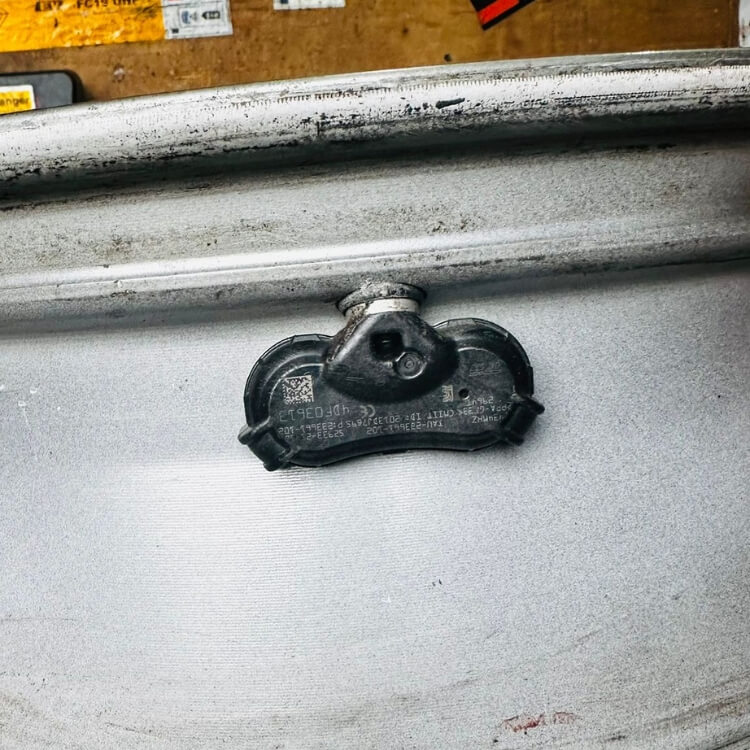
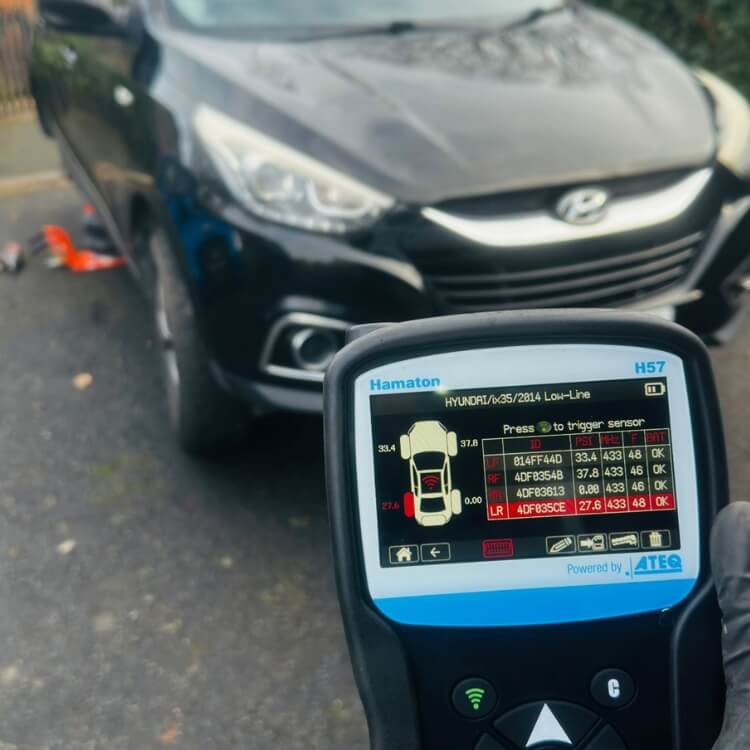
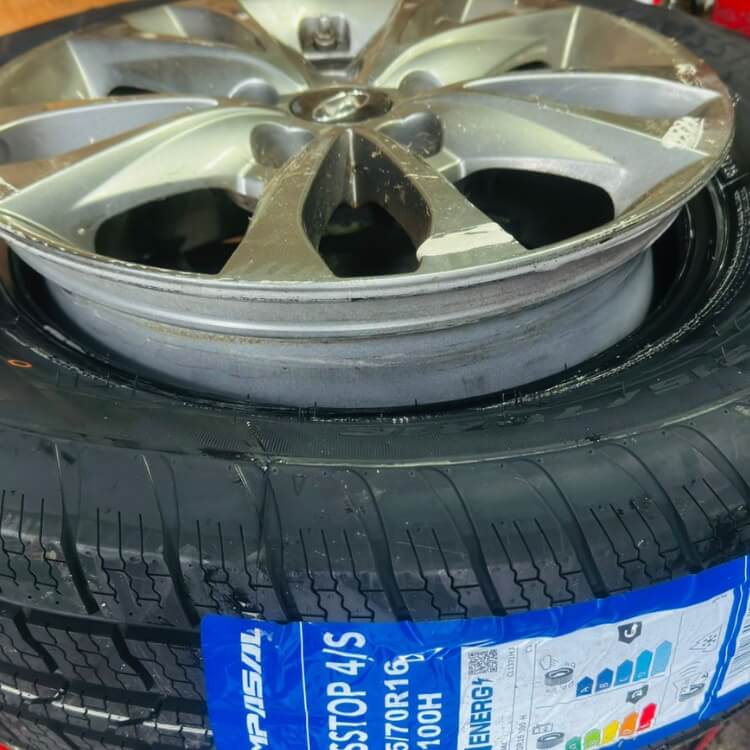
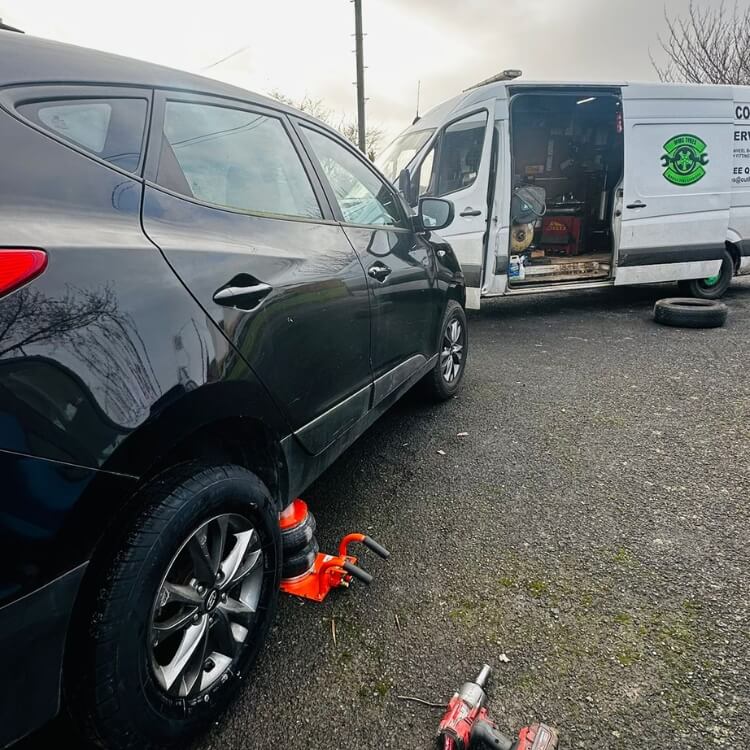
TPMS Sensor Repair or Replacement in Birmingham, West Midlands
If that warning light has appeared and you’re based in Birmingham or anywhere across the West Midlands, now is the moment to act — not out of panic, but out of prudence. A small intervention today prevents a cascade of inconvenience tomorrow, and it doesn’t require rearranging your life to make it happen.
MMC Tyres will come to your home or workplace, diagnose the fault, replace the sensor if needed, and restore your dashboard to its natural state of calm — all without queues, waiting rooms, or wasted time.
So before the light becomes background noise, book it in.
Get in touch with MMC Tyres and let the problem quietly disappear, exactly as it should.
TPMS FAQs
What is TPMS?
If a warning light has just appeared on your dashboard, there’s a good chance it’s related to your Tyre Pressure Monitoring System (TPMS). TPMS is a safety feature fitted to most cars since 2014, designed to monitor the air pressure in your tyres constantly.
Each wheel has a small sensor that alerts you when pressure drops below a safe level, helping to prevent uneven tyre wear, poor handling, and potential blowouts. When the tyre pressure sensor system detects a fault – often due to an ageing or failed sensor battery or sensor valve– that warning light stays on until the issue is repaired or the component is replaced.
Why do TPMS need to be serviced?
TPMS sensors aren’t designed to last forever. Each sensor contains a sealed battery that typically lasts 7–8 years, which is why many drivers are only now starting to experience TPMS faults on vehicles registered from 2014 onwards. As the battery weakens or fails, the sensor can no longer communicate accurate tyre pressure data to your car, triggering a dashboard warning light.
TPMS can also need servicing after tyre changes, puncture repairs, corrosion to the valve stem, or accidental damage during tyre fitting. Ignoring the warning doesn’t just mean living with an annoying light on your dash — it means your car can no longer alert you to dangerously low tyre pressure, increasing the risk of poor fuel economy, uneven tyre wear, and reduced safety.
How are TPMS serviced?
Servicing TPMS starts with diagnosing the fault. This usually involves electronically scanning the system to identify which sensor has failed or is no longer responding. Depending on the issue, servicing may include:
- Renewing sensor valve to prevent air leaks
- Reprogramming or relearning sensors so they correctly communicate with the vehicle
- Resetting the TPMS system after repairs or tyre replacement
For mobile tyre fitting, this work can often be carried out at your home or workplace alongside a tyre repair or replacement, saving you time and avoiding a trip to the garage. Proper TPMS servicing ensures your warning system works exactly as intended — keeping you informed, safe, and compliant with MOT requirements.
Is TPMS an MOT Requirement?
Your vehicle will fail its MOT if:
- The TPMS warning light is illuminated or flashing on the dashboard
- The system is clearly not functioning or has been disabled
- A fault is detected that prevents the system from monitoring tyre pressure
An illuminated TPMS warning light is classed as a major defect, meaning the vehicle cannot pass until it’s repaired.
However, TPMS is not an MOT failure if:
- TPMS was never fitted as standard by the manufacturer
- The system is working correctly, and the warning light turns off after startup
Can I replace the TPMS sensor myself?
Technically, yes — you can replace a TPMS sensor yourself, but for most drivers it’s not recommended.
Replacing a TPMS sensor isn’t like changing a valve cap. The sensor sits inside the wheel, attached to the valve stem, which means:
- The tyre must be fully removed from the rim
- Special tools are needed to break the tyre bead safely
- There’s a high risk of damaging the tyre, wheel, or new sensor
- The new sensor usually needs to be programmed or relearned to your vehicle
Without the correct equipment and software, the warning light often stays on, even after fitting a new sensor.
Most modern cars require the new TPMS sensor to be:
- Coded to the vehicle
- Relearned in a specific sequence
- Reset using diagnostic tools
This step alone is where most DIY attempts fail.
How much does it cost to replace a TPMS sensor?
The cost to replace a TPMS sensor typically £50 to £120 per wheel, depending on a few key factors.
- Vehicle make and model – Some cars use manufacturer-specific sensors, which are more expensive than universal or programmable ones
- Type of TPMS sensor – OEM (original equipment) sensors cost more than high-quality aftermarket equivalents
- Programming requirements – Some vehicles need advanced relearning or coding procedures
- Labour involved – The tyre must be removed from the wheel to access the sensor
